
Hard winter conditions are at our door. Both Cool Chain and Ambient Temperature Sensitive Drugs are more at risk of compromising their product integrity under freezing temperatures than in summer months, which could create the hazard effects of improper drugs should they reach the end user.
In order to troubleshoot the effects of severe winter weather conditions, sensitive goods should be maintained in safer temperature-controlled environments (vehicles, packaging, procedures, monitoring technologies etc.)
Tough winter conditions are soon upon us. .This season presents challenges for all sectors, including the pharmaceutical .industry
Winter poses two important effects relative to the pharmaceutical industry. Firstly, late access of the drug to the distributor (warehouse) and to the patient. Secondly, low temperature influences the loss of a drug’s effect or may even cause a toxic result.
Molecular bond deterioration, which occurs when the temperature ranges are below those studied in stability tests (especially in winter conditions),occurs at a higher rate than the risk under summer conditions and in the narrow tolerance range. In other words, the reliability of drugs against freezing is much lower. Particularly, protein-containing drugs (anti-diabetic, immunoglobulin, anti- haemorrhagic, anti-carcinogens) and vaccines can easily irreversibly crystallize at low temperatures.

Unfortunately, the terrain, climatic conditions and transportation models in our country create (for some reason!) an environment which can render both the Cold Chain Products, which we focus on, but all medicines (Room Temperature Required -Ambient).dysfunctional. It should be underlined that, perhaps, especially during the winter months, the focus should be on the distribution processes of Ambient products rather than cold chain products because a pattern of negligence and negative habits established over the years still preside.
In our country, monitoring, control and measurement, the prerequisites for the acceptance and use of drugs are still inadequate and, since there is no regulatory process for meeting specific standards there is still a risk to life and ineffective treatments. This is an argument that must be taken seriously, both legally and commercially, as well as morally. And a subject which requires high precision and the coordinated organization of all parties in the process.
Based on the importance of the subject, let’s share an interesting case from the United States in recent months. In Georgia, the execution of a female offender named Kelly Renee Gissendaner was postponed due to the clouding of the drug with “pentobarbital” active ingredient due to exposure to low temperatures during the transportation process. This situation not only increased the cost, political and social heat! of the process, but also revived the examination of the usage of this drug and its use protocols in 32 states. We will see many examples like this and similar cases as social awareness and controls increase. Of course, the pharmaceutical industry and other health sector concerns, which state that they can no longer make as much profit as before, will have to cope with the cost, as well as surprise troubles far beyond the cost of the process related to proper transportation and packaging.
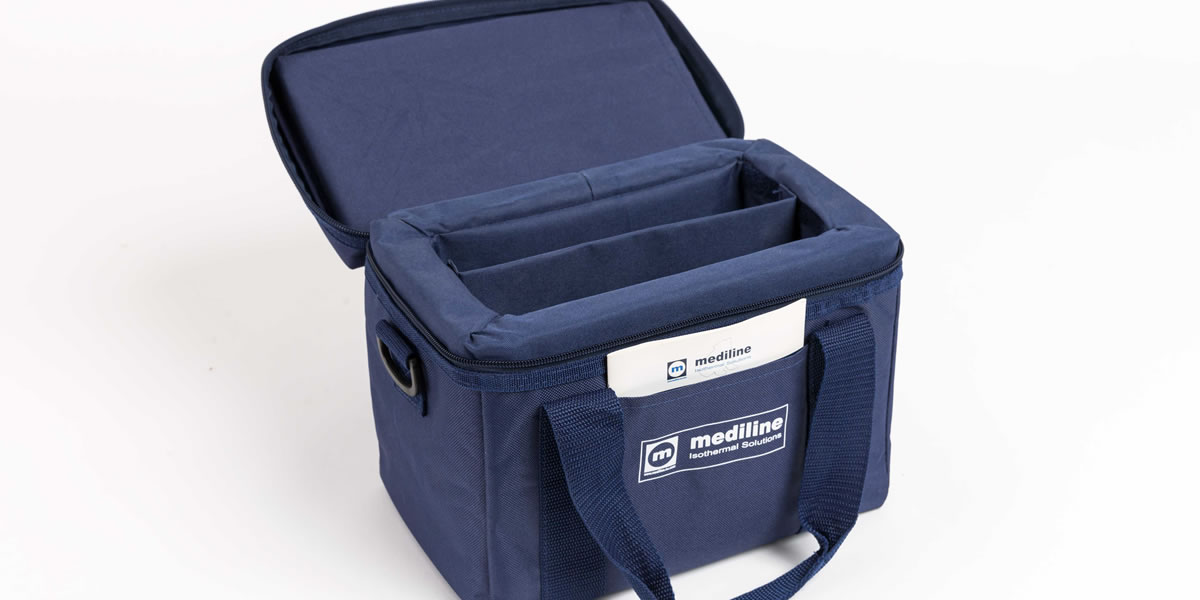
In this field, one of the solution providers is Mediline Isothermal Solutions. In our country, which is spread over a very large and different geographical area, with high penetration, multiple dispatch points and insufficient transportation infrastructure, Mediline offers solutions with “special packages” as an independent model of vehicle and environment, as it is not possible to provide heat-controlled drug distribution just based on transportation. Mediline Isothermal Solutions, by isolating the very low and long-term external thermal effects in the process of transporting the drug, in special boxes that have been validated, patented and disassembled (puzzle), can ensure product safety in terms of heat, light and humidity, with “temperature controlled Isobox” solutions, that have advanced thermal protection capability.

In the extreme winter conditions of Turkey, Mediline can provide a flexibly designed “Micro Air Conditioning” environment that can protect the drug over 72, even 102 hours, by maintaining the desired time and temperature.
As is known, it is much more difficult to create a transport environment that is resistant to negative temperatures than those which are resistant to high temperatures. However, with the unique material and configuration engineering used in its products, as well as test laboratories that can simulate any outdoor environment, Mediline is positioned far ahead of its competitors. Please See The Sample Internal Temperature Change Validation Data.

We believe that this issue, which involves the focus of the whole world in various ways, should be given the necessary importance in terms of human health and the total economy of our country We should, therefore, increase knowledge and qualifications and all sector parties should interact in a controlled manner.

How to handle the demanding logistics and packaging requirements for the expected Covid-19 vaccination? It is obvious that the logistics and thermal-insulated packaging material requirements will be the major concerns of the Covid-19 vaccination process.

There are some COVID-19 cases involving patients who are asymptomatic whereas others experience mild symptoms, similar to the common cold. However, there is another group of patients who may even have to fight for their lives.
